BLOGS
BLOGS

Lyme Disease in Central PA: Symptoms, Prevention & Care
May is Lyme Disease Awareness Month — and if you live in Central Pennsylvania, this is not a reminder you can afford to skip. Whether you're hiking the trails near Hershey, letting the kids play in a wooded backyard in Hummelstown, or gardening in Palmyra, you're in some of the highest-risk territory in the entire country.
Pennsylvania consistently ranks among the top states for Lyme disease cases, year after year. The good news: when you know what to look for — and how to protect yourself — the disease is both preventable and, when caught early, very treatable.
Here's what every family in the Hershey area needs to know this tick season.
What Is Lyme Disease?
Lyme disease is a bacterial infection caused by Borrelia burgdorferi, a spiral-shaped bacterium. According to the CDC, it's spread to people through the bite of infected blacklegged ticks — also called deer ticks (Ixodes scapularis).
These ticks are found in grassy, brushy, and wooded areas throughout the northeastern United States, and they're especially common in Pennsylvania. The tick doesn't spread the bacteria the moment it attaches. In most cases, it needs to be attached to your skin for at least 24 to 36 hours before it can transmit the infection. That's why early tick checks matter so much.
One important detail: nymph ticks — the juvenile form — are about the size of a poppy seed. They're almost impossible to see, and they're the most active in late spring and early summer, right now.
Why Pennsylvania Ranks Among the Highest in the Nation
The numbers are striking. The CDC reported over 89,000 Lyme disease cases nationally in 2023 — a record high. Estimates using other tracking methods suggest the true number of people diagnosed and treated in the U.S. each year is closer to 476,000.
Pennsylvania's share of that burden is enormous. According to the Pennsylvania Department of Health, the state recorded 16,671 confirmed cases in 2023 — up from just 5,904 in 2013. That's nearly a tripling in ten years. Pennsylvania was the single highest-risk state in the country every year from 2013 through 2020, and remains one of the top two today.
The Pennsylvania Medical Society notes that the state has been designated by the CDC as a high-incidence state — meaning it has averaged at least 10 confirmed cases per 100,000 people per year for three consecutive years. Every one of Pennsylvania's 67 counties reported Lyme disease cases in 2023. Dauphin County, where Hershey sits, is no exception.
The peak risk period? May through August, when nymph ticks are most active and people spend the most time outdoors.
What the Research Says About How Lyme Disease Progresses
Lyme disease moves through three stages if it goes untreated. Understanding these stages can help you recognize when something is wrong.
A 2024 review in StatPearls (NCBI Bookshelf) describes the progression clearly:
- Stage 1 — Early localized: Starts days to about a month after a tick bite. The bacteria are still close to the bite site.
- Stage 2 — Early disseminated: Occurs weeks to months after the bite. The bacteria begin spreading through the bloodstream to other parts of the body, including the heart and nervous system.
- Stage 3 — Late disseminated: Can develop months to years after the initial infection if the disease goes unrecognized and untreated.
The consistent finding across research is this: the earlier Lyme disease is caught and treated, the better the outcome. The CDC states that early diagnosis and proper antibiotic treatment is important and can help prevent more serious forms of the disease.
How to Recognize the Signs and Symptoms
Lyme disease is sometimes called "the great imitator" because its early symptoms look a lot like the flu. That's why it can be missed — especially if you don't remember a tick bite (and many people don't).
Early symptoms (3 to 30 days after a bite) can include:
- Fever and chills
- Headache
- Fatigue
- Muscle and joint aches
- Swollen lymph nodes
- A red, expanding skin rash called erythema migrans (EM)
That rash deserves special attention. According to the CDC, the EM rash appears in roughly 70 to 80 percent of people infected with Lyme disease. It starts at the site of the tick bite, usually 3 to 30 days later, and gradually expands — sometimes reaching 12 inches or more across. It often has a target or "bullseye" appearance, but it can also look like a solid, expanding red oval. Don't wait for a bullseye before you act.
If the infection spreads and goes untreated, later symptoms can include:
- Multiple EM rashes on different parts of the body
- Facial palsy — weakness or drooping on one or both sides of the face
- Heart palpitations or an irregular heartbeat
- Severe headache and neck stiffness (similar to meningitis)
- Numbness, tingling, or weakness in the arms and legs
- Arthritis with significant joint pain and swelling, especially in the knees
- Brain fog, concentration difficulties, and memory issues
Some people treated for Lyme disease continue to experience fatigue, body aches, or difficulty thinking for months afterward. The CDC calls this post-treatment Lyme disease syndrome (PTLDS). Studies published in the American Journal of Medicine and The Lancet found that these prolonged symptoms are approximately 5 to 10 percent more common in people who have had Lyme disease than in those who haven't. The cause is not fully understood, and it remains an area of ongoing research.
How to Prevent Tick Bites
Prevention is straightforward — but it has to become a habit, especially from May through early fall. The CDC and the Infectious Diseases Society of America (IDSA) 2020 guidelines both recommend the same core steps:
- Use an EPA-registered insect repellent on exposed skin. Look for active ingredients like DEET, picaridin, IR3535, oil of lemon eucalyptus (OLE), or PMD.
- Treat your clothing and gear with permethrin (0.5% concentration). You can buy pre-treated clothing or treat your own. Permethrin kills ticks on contact.
- Dress protectively. Wear long sleeves and pants when walking in wooded or grassy areas. Tuck pants into socks. Light-colored clothing makes ticks easier to spot.
- Stay on the trail. Ticks wait on the tips of grasses and shrubs, reaching out to latch on to passing animals or people. Walking in the center of trails reduces your contact with them.
- Do a full-body tick check after every outdoor activity. Check under the arms, in and around the ears, inside the belly button, behind the knees, between the legs, around the waist, and on the scalp. Check your children and your pets, too.
- Shower within two hours of coming inside. This washes off unattached ticks and gives you a chance to find any that are attached.
- Tumble-dry clothing on high heat for at least 10 minutes to kill any ticks that survived the wash.
What to Do If You Find a Tick
Finding a tick doesn't mean you'll get Lyme disease. It means you need to act quickly and correctly.
The right way to remove a tick, per the CDC and IDSA:
- Use clean, fine-tipped tweezers. Grasp the tick as close to your skin's surface as possible.
- Pull upward with steady, even pressure. Don't twist or jerk — that can break off the mouthparts and leave them in the skin.
- After removal, clean the bite area thoroughly with rubbing alcohol or soap and water.
- Dispose of the tick by flushing it down the toilet or placing it in a sealed bag.
What not to do: Do not apply petroleum jelly, nail polish, or a lit match to the tick. These approaches can agitate the tick and increase the risk of infection.
Once the tick is removed, keep an eye on the bite site for the next two weeks. Watch for any expanding rash or the development of flu-like symptoms. Take a photo of the bite site each day so you can track any changes.
When to See Your Doctor
Call your doctor if:
- You found a tick that may have been attached for 24 hours or more
- You develop an expanding red rash — bullseye or otherwise — around or away from a bite site
- You experience flu-like symptoms (fever, fatigue, muscle aches) in the weeks following time spent outdoors
- You have any of the later-stage symptoms described above: facial drooping, joint swelling, heart palpitations, or neurological changes
- You're unsure whether you've been exposed and want to discuss your risk
An important note about testing: blood tests for Lyme disease may not be reliable in the first few weeks after infection, because it takes time for the body to produce detectable antibodies. A doctor experienced with Lyme disease — particularly one practicing in a high-risk area like Central Pennsylvania — can evaluate your clinical picture and make a judgment. You don't always need a positive test to be evaluated and treated.
How Three Angels Family Practice Approaches Tick-Borne Illness
At Three Angels Family Practice & Wellness Center in Hershey, Dr. Danette J. Joseph, MD, provides board-certified family medicine with an integrative lens. That means she's looking at the whole picture — not just the lab result.
If you come in after a tick bite, Dr. Joseph will consider your exposure history, how long the tick may have been attached, your current symptoms, and your overall health to guide the conversation. She can also help you think through prevention strategies for your whole family, whether you live in Hershey, Hummelstown, Palmyra, Campbelltown, or anywhere in the surrounding area.
Lyme disease is treatable. The key is not waiting.
Talk with Dr. Joseph
If you've had a tick bite, are experiencing symptoms that concern you, or simply want to discuss your family's tick-bite risk with a provider who knows Central Pennsylvania, Three Angels Family Practice & Wellness Center is welcoming new patients. We also serve families in Middletown, Harrisburg, Mechanicsburg, Elizabethtown, and the surrounding communities.
Request an appointment online or call (717) 298-1268.
Medical disclaimer: This article is for general educational purposes and does not constitute medical advice, diagnosis, or treatment. Always consult a qualified healthcare provider with questions about a medical condition or before starting, stopping, or changing any treatment. Reading this article does not create a physician-patient relationship with Dr. Danette J. Joseph or Three Angels Family Practice & Wellness Center.

Lyme Disease in Central PA: Symptoms, Prevention & Care
May is Lyme Disease Awareness Month — and if you live in Central Pennsylvania, this is not a reminder you can afford to skip. Whether you're hiking the trails near Hershey, letting the kids play in a wooded backyard in Hummelstown, or gardening in Palmyra, you're in some of the highest-risk territory in the entire country.
Pennsylvania consistently ranks among the top states for Lyme disease cases, year after year. The good news: when you know what to look for — and how to protect yourself — the disease is both preventable and, when caught early, very treatable.
Here's what every family in the Hershey area needs to know this tick season.
What Is Lyme Disease?
Lyme disease is a bacterial infection caused by Borrelia burgdorferi, a spiral-shaped bacterium. According to the CDC, it's spread to people through the bite of infected blacklegged ticks — also called deer ticks (Ixodes scapularis).
These ticks are found in grassy, brushy, and wooded areas throughout the northeastern United States, and they're especially common in Pennsylvania. The tick doesn't spread the bacteria the moment it attaches. In most cases, it needs to be attached to your skin for at least 24 to 36 hours before it can transmit the infection. That's why early tick checks matter so much.
One important detail: nymph ticks — the juvenile form — are about the size of a poppy seed. They're almost impossible to see, and they're the most active in late spring and early summer, right now.
Why Pennsylvania Ranks Among the Highest in the Nation
The numbers are striking. The CDC reported over 89,000 Lyme disease cases nationally in 2023 — a record high. Estimates using other tracking methods suggest the true number of people diagnosed and treated in the U.S. each year is closer to 476,000.
Pennsylvania's share of that burden is enormous. According to the Pennsylvania Department of Health, the state recorded 16,671 confirmed cases in 2023 — up from just 5,904 in 2013. That's nearly a tripling in ten years. Pennsylvania was the single highest-risk state in the country every year from 2013 through 2020, and remains one of the top two today.
The Pennsylvania Medical Society notes that the state has been designated by the CDC as a high-incidence state — meaning it has averaged at least 10 confirmed cases per 100,000 people per year for three consecutive years. Every one of Pennsylvania's 67 counties reported Lyme disease cases in 2023. Dauphin County, where Hershey sits, is no exception.
The peak risk period? May through August, when nymph ticks are most active and people spend the most time outdoors.
What the Research Says About How Lyme Disease Progresses
Lyme disease moves through three stages if it goes untreated. Understanding these stages can help you recognize when something is wrong.
A 2024 review in StatPearls (NCBI Bookshelf) describes the progression clearly:
- Stage 1 — Early localized: Starts days to about a month after a tick bite. The bacteria are still close to the bite site.
- Stage 2 — Early disseminated: Occurs weeks to months after the bite. The bacteria begin spreading through the bloodstream to other parts of the body, including the heart and nervous system.
- Stage 3 — Late disseminated: Can develop months to years after the initial infection if the disease goes unrecognized and untreated.
The consistent finding across research is this: the earlier Lyme disease is caught and treated, the better the outcome. The CDC states that early diagnosis and proper antibiotic treatment is important and can help prevent more serious forms of the disease.
How to Recognize the Signs and Symptoms
Lyme disease is sometimes called "the great imitator" because its early symptoms look a lot like the flu. That's why it can be missed — especially if you don't remember a tick bite (and many people don't).
Early symptoms (3 to 30 days after a bite) can include:
- Fever and chills
- Headache
- Fatigue
- Muscle and joint aches
- Swollen lymph nodes
- A red, expanding skin rash called erythema migrans (EM)
That rash deserves special attention. According to the CDC, the EM rash appears in roughly 70 to 80 percent of people infected with Lyme disease. It starts at the site of the tick bite, usually 3 to 30 days later, and gradually expands — sometimes reaching 12 inches or more across. It often has a target or "bullseye" appearance, but it can also look like a solid, expanding red oval. Don't wait for a bullseye before you act.
If the infection spreads and goes untreated, later symptoms can include:
- Multiple EM rashes on different parts of the body
- Facial palsy — weakness or drooping on one or both sides of the face
- Heart palpitations or an irregular heartbeat
- Severe headache and neck stiffness (similar to meningitis)
- Numbness, tingling, or weakness in the arms and legs
- Arthritis with significant joint pain and swelling, especially in the knees
- Brain fog, concentration difficulties, and memory issues
Some people treated for Lyme disease continue to experience fatigue, body aches, or difficulty thinking for months afterward. The CDC calls this post-treatment Lyme disease syndrome (PTLDS). Studies published in the American Journal of Medicine and The Lancet found that these prolonged symptoms are approximately 5 to 10 percent more common in people who have had Lyme disease than in those who haven't. The cause is not fully understood, and it remains an area of ongoing research.
How to Prevent Tick Bites
Prevention is straightforward — but it has to become a habit, especially from May through early fall. The CDC and the Infectious Diseases Society of America (IDSA) 2020 guidelines both recommend the same core steps:
- Use an EPA-registered insect repellent on exposed skin. Look for active ingredients like DEET, picaridin, IR3535, oil of lemon eucalyptus (OLE), or PMD.
- Treat your clothing and gear with permethrin (0.5% concentration). You can buy pre-treated clothing or treat your own. Permethrin kills ticks on contact.
- Dress protectively. Wear long sleeves and pants when walking in wooded or grassy areas. Tuck pants into socks. Light-colored clothing makes ticks easier to spot.
- Stay on the trail. Ticks wait on the tips of grasses and shrubs, reaching out to latch on to passing animals or people. Walking in the center of trails reduces your contact with them.
- Do a full-body tick check after every outdoor activity. Check under the arms, in and around the ears, inside the belly button, behind the knees, between the legs, around the waist, and on the scalp. Check your children and your pets, too.
- Shower within two hours of coming inside. This washes off unattached ticks and gives you a chance to find any that are attached.
- Tumble-dry clothing on high heat for at least 10 minutes to kill any ticks that survived the wash.
What to Do If You Find a Tick
Finding a tick doesn't mean you'll get Lyme disease. It means you need to act quickly and correctly.
The right way to remove a tick, per the CDC and IDSA:
- Use clean, fine-tipped tweezers. Grasp the tick as close to your skin's surface as possible.
- Pull upward with steady, even pressure. Don't twist or jerk — that can break off the mouthparts and leave them in the skin.
- After removal, clean the bite area thoroughly with rubbing alcohol or soap and water.
- Dispose of the tick by flushing it down the toilet or placing it in a sealed bag.
What not to do: Do not apply petroleum jelly, nail polish, or a lit match to the tick. These approaches can agitate the tick and increase the risk of infection.
Once the tick is removed, keep an eye on the bite site for the next two weeks. Watch for any expanding rash or the development of flu-like symptoms. Take a photo of the bite site each day so you can track any changes.
When to See Your Doctor
Call your doctor if:
- You found a tick that may have been attached for 24 hours or more
- You develop an expanding red rash — bullseye or otherwise — around or away from a bite site
- You experience flu-like symptoms (fever, fatigue, muscle aches) in the weeks following time spent outdoors
- You have any of the later-stage symptoms described above: facial drooping, joint swelling, heart palpitations, or neurological changes
- You're unsure whether you've been exposed and want to discuss your risk
An important note about testing: blood tests for Lyme disease may not be reliable in the first few weeks after infection, because it takes time for the body to produce detectable antibodies. A doctor experienced with Lyme disease — particularly one practicing in a high-risk area like Central Pennsylvania — can evaluate your clinical picture and make a judgment. You don't always need a positive test to be evaluated and treated.
How Three Angels Family Practice Approaches Tick-Borne Illness
At Three Angels Family Practice & Wellness Center in Hershey, Dr. Danette J. Joseph, MD, provides board-certified family medicine with an integrative lens. That means she's looking at the whole picture — not just the lab result.
If you come in after a tick bite, Dr. Joseph will consider your exposure history, how long the tick may have been attached, your current symptoms, and your overall health to guide the conversation. She can also help you think through prevention strategies for your whole family, whether you live in Hershey, Hummelstown, Palmyra, Campbelltown, or anywhere in the surrounding area.
Lyme disease is treatable. The key is not waiting.
Talk with Dr. Joseph
If you've had a tick bite, are experiencing symptoms that concern you, or simply want to discuss your family's tick-bite risk with a provider who knows Central Pennsylvania, Three Angels Family Practice & Wellness Center is welcoming new patients. We also serve families in Middletown, Harrisburg, Mechanicsburg, Elizabethtown, and the surrounding communities.
Request an appointment online or call (717) 298-1268.
Medical disclaimer: This article is for general educational purposes and does not constitute medical advice, diagnosis, or treatment. Always consult a qualified healthcare provider with questions about a medical condition or before starting, stopping, or changing any treatment. Reading this article does not create a physician-patient relationship with Dr. Danette J. Joseph or Three Angels Family Practice & Wellness Center.
LOCATION
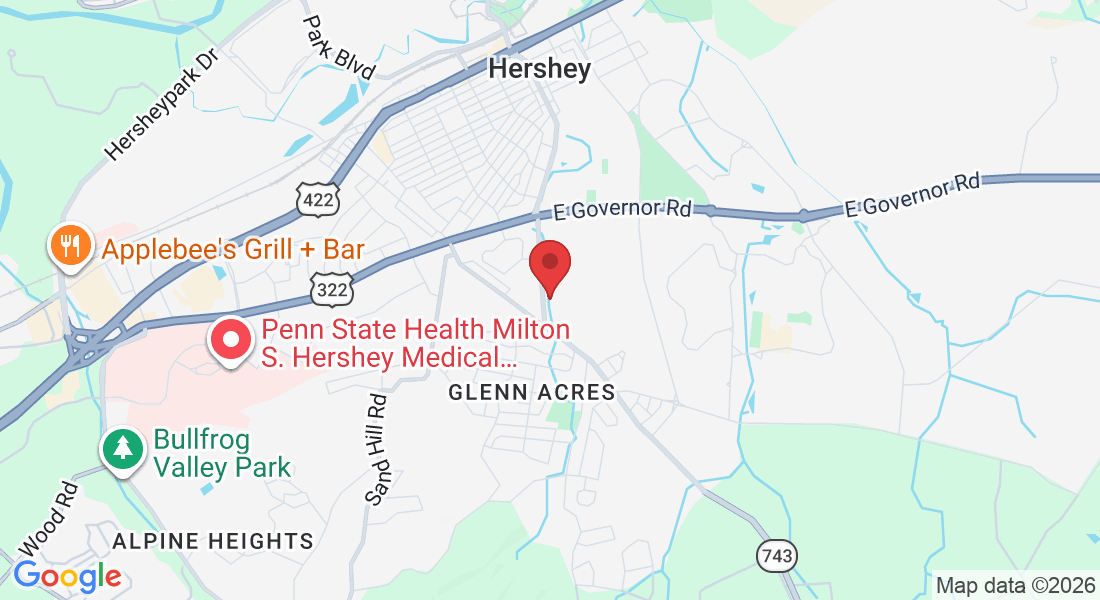
1249 Cocoa Avenue, Suite 190
Hershey, PA 17033
Phone: (717) 882-5888
OFFICE HOURS
By Appointment Only. Call for Availability
GET IN TOUCH
© Copyright 2023. Three Angels Family Practice & Wellness Center | Sitemap | Accessibility
Powered by Cima Growth Solutions
LOCATION
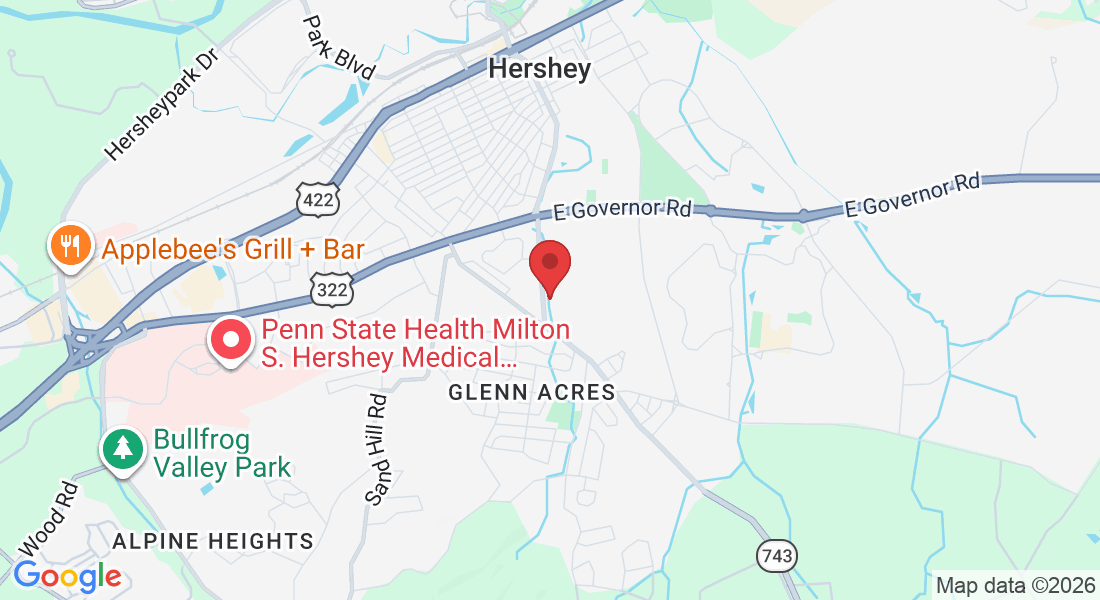
1249 Cocoa Avenue, Suite 190
Hershey, PA 17033
Phone: (717) 882-5888
OFFICE HOURS
By Appointment Only
Call (717) 882-5888
GET IN TOUCH
© Copyright 2023. Three Angels Family Practice & Wellness Center | Sitemap | Accessibility
Powered by Cima Growth Solutions