BLOGS
BLOGS

Lyme Disease in Central PA: What to Know This Tick Season
May is Lyme Disease Awareness Month — and if you live in Hershey, Hummelstown, Harrisburg, or anywhere else in Central Pennsylvania, that's a reminder worth taking seriously. Pennsylvania isn't just a hot spot for Lyme disease. It consistently ranks at or near the top of the nation for reported cases. Right now, as warmer weather draws families outdoors, the tiny ticks that spread Lyme disease are entering their most active season.
The good news: Lyme disease is highly treatable when it's caught early. The key is knowing what to look for — and knowing exactly what to do the moment you find an attached tick on yourself, your child, or a family member.
Dr. Danette J. Joseph, MD, board-certified in family medicine at Three Angels Family Practice & Wellness Center in Hershey, PA, sees the impact of tick season on patients every year. Here's what you need to know before heading outside this spring.
What Is Lyme Disease?
Lyme disease is a bacterial infection caused by Borrelia burgdorferi, a corkscrew-shaped bacterium (called a spirochete) that spreads to humans through the bite of an infected blacklegged tick — also called a deer tick (Ixodes scapularis). It is the most common vector-borne disease in the United States, with the CDC estimating that approximately 476,000 people may be diagnosed and treated for Lyme disease each year.
Lyme disease is not spread through casual contact, coughing, sneezing, or sharing food. You get it from a tick bite — and in Pennsylvania, specifically from the bite of the blacklegged tick, not from other species like the American dog tick.
Here's a critical fact: the tick typically needs to be attached to your skin for at least 36 to 48 hours before it can transmit the bacteria. That window is why doing a thorough tick check every single time you come in from outdoors is one of the most powerful and practical things you can do to protect your health.
Why Pennsylvania — and Central PA in Particular — Carries High Risk
Pennsylvania holds the top spot nationally for reported Lyme disease cases. The most recent data from the Pennsylvania Department of Environmental Protection (DEP) confirms that infected blacklegged ticks have been found in all 67 counties in the state — including Dauphin County, where Hershey is located. There is no county in Pennsylvania where Lyme risk does not exist.
In 2023, Pennsylvania reported 16,671 confirmed Lyme disease cases. Statewide, roughly half of all cases have symptom onset in June and July — which begins right after this peak nymph season in May.
Here's why late spring and early summer carry the highest risk: Nymphal ticks — the juvenile stage of the blacklegged tick — are out in force from late May through late July. Nymphs are roughly the size of a poppy seed. That tiny size makes them extremely easy to miss during a body check. And according to Pennsylvania DOH surveillance data, nymphal ticks in Pennsylvania carry approximately a 1-in-4 chance of being infected with the Lyme bacterium. Adult ticks, which are active in fall and early spring, have an even higher infection rate — roughly 1 in 2.
Lyme disease doesn't only happen on hiking trails. Research from the Pennsylvania Tick Research Lab at East Stroudsburg University found that 54% of tick exposures happen in backyards — while playing, gardening, or doing yard work. Whether you're in Palmyra, Mechanicsburg, or Hershey, your own yard can be a risk zone.
Signs and Symptoms: What to Watch For
Lyme disease progresses in stages. Recognizing the early signs leads to the fastest and most complete recovery.
Stage 1 — Early Localized (days to one month after the bite)
The most well-known early sign is an expanding skin rash called erythema migrans (EM). According to the CDC, this rash typically appears 3 to 30 days after the bite, grows in diameter over days, and is often warm to the touch. Many people picture the classic "bullseye" — a red ring with clear center — but research from the Lyme Disease Biobank found that the classic bullseye pattern appears in only a small minority of cases. Most EM rashes are uniformly red or oval-shaped and simply keep expanding. The bottom line: any expanding rash after a tick bite deserves prompt evaluation.
Other early symptoms can include:
- Fever and chills
- Fatigue and general malaise
- Headache
- Muscle and joint aches
- Swollen lymph nodes
One important caveat: up to 30% of people with Lyme disease never develop or notice the rash at all. And many people don't remember being bitten. Don't rule out Lyme disease simply because there's no visible rash.
Stage 2 — Early Disseminated (weeks to months after the bite, if untreated)
If the infection isn't treated in Stage 1, B. burgdorferi can spread through the bloodstream to other parts of the body. Signs at this stage can include:
- Multiple EM rashes appearing in new areas of the body
- Facial palsy — weakness or drooping on one or both sides of the face
- Lyme carditis — heart palpitations, irregular heartbeat, dizziness, or shortness of breath
- Lymphocytic meningitis — severe headache, neck stiffness, sensitivity to light
- Numbness, tingling, or weakness in the arms and legs
If you develop heart symptoms such as palpitations or an irregular heartbeat, seek medical care immediately.
Stage 3 — Late Disseminated (months to years after an untreated bite)
- Lyme arthritis — severe joint pain and swelling, especially in the knees and other large joints
- Ongoing neurological symptoms, including memory and concentration problems
The 2020 IDSA/AAN/ACR Clinical Practice Guidelines for Lyme Disease — reaffirmed in October 2023 — emphasize that early treatment with oral antibiotics is highly effective, and that the large majority of patients who are treated early recover completely.
What You Can Do to Prevent Lyme Disease
Prevention is practical. It means building a few consistent habits every time you spend time outdoors.
Use EPA-registered repellents on exposed skin. The CDC recommends repellents containing DEET, picaridin, IR3535, or oil of lemon eucalyptus (OLE). Note that OLE is not recommended for children under 3 years old. Always follow label instructions, and reapply as directed.
Treat your clothing and gear with 0.5% permethrin. Permethrin is an insecticide applied to clothing, boots, and outdoor gear — not directly to skin. It kills ticks on contact. Research from the University of Rhode Island and the CDC found that people wearing permethrin-treated shoes and socks were 73.6 times less likely to be bitten by a tick than those wearing untreated footwear. You can buy pre-treated clothing or treat your own.
Dress defensively:
- Wear light-colored clothing so crawling ticks are easier to spot
- Tuck your pants into your socks when in wooded or brushy areas
- Wear long sleeves and long pants when hiking or doing yard work near leaf litter and brush
Do a full body tick check every time you come inside. Ticks favor warm, concealed spots. Check carefully:
- Groin, inner thighs, and behind the knees
- Armpits
- Scalp, neck, and behind the ears
- Belly button
- Between the toes
Check your children, too — and your pets. Ticks can hitchhike indoors on your dog or cat and attach to a person later.
Shower within two hours of being outdoors. The CDC notes that showering soon after being outside has been shown to reduce the risk of Lyme disease. It can help wash off unattached ticks, and gives you a dedicated window for a thorough body check.
Tumble dry clothes on high heat for 10 minutes when you come in. Ticks survive cold and warm water, but heat kills them quickly.
Maintain your yard:
- Clear leaf litter and brush, especially near the house
- Mow regularly and keep grass short
- Create a 3-foot wood chip or gravel barrier between your lawn and any wooded areas — ticks don't like crossing dry, open ground
- Stack firewood neatly in dry, sunny areas
If You Find an Attached Tick: What to Do
Stay calm. Finding a tick doesn't mean you'll get Lyme disease — remember, transmission typically requires 36 to 48 hours of attachment. What matters most is removing it promptly and correctly.
- Use fine-tipped tweezers. Grasp the tick as close to your skin's surface as possible.
- Pull upward with steady, even pressure. Don't twist, jerk, or squeeze the tick's body.
- Do not apply petroleum jelly, nail polish, heat, or any other substance. These methods are ineffective and may increase transmission risk.
- Clean the bite site with rubbing alcohol or soap and water.
- Dispose of the tick in a sealed bag, submerged in alcohol, or by flushing it down the toilet. Do not crush it with your bare fingers.
- Note the date. This helps your doctor assess your risk and decide on next steps.
When to See Your Doctor
Call or visit a healthcare provider promptly if:
- You develop an expanding rash anywhere on your body after a known or suspected tick bite
- You have flu-like symptoms (fever, fatigue, headache, muscle aches) in the weeks after spending time outdoors in tick-prone areas
- You notice facial drooping, heart palpitations, or significant joint swelling
- You found a tick that appeared to have been attached for 36 or more hours
If you're in Central Pennsylvania — in communities like Hershey, Hummelstown, Harrisburg, Palmyra, Elizabethtown, or Middletown — you are in one of the highest-risk regions in the country. Don't adopt a wait-and-see approach.
It's also worth knowing that, according to the Johns Hopkins Lyme Disease Research Center, standard blood tests for Lyme disease are often unreliable in the first few weeks of infection. It takes time for the immune system to produce detectable antibodies. A diagnosis in the early stage is often made clinically — meaning a physician can assess your symptoms, exposure history, and the appearance of a rash without waiting for a positive lab result. Early treatment matters. Getting in to see your doctor quickly is more important than waiting for test results.
How Three Angels Family Practice & Wellness Center Approaches Lyme Disease
At Three Angels Family Practice & Wellness Center in Hershey, Dr. Joseph brings a whole-person, integrative perspective to seasonal health concerns like Lyme disease. That means staying current on IDSA and CDC guidelines, knowing the local tick risk across Dauphin County and surrounding communities, and ensuring patients have what they need to protect their health before illness strikes.
During a wellness visit or same-day sick visit this spring or summer, Dr. Joseph can evaluate a rash or symptoms you're concerned about, discuss your risk level based on your outdoor activities and specific location, order appropriate testing if indicated, and walk through evidence-based prevention strategies that work for your household — including for children and older adults who may face higher risks.
Tick season in Central Pennsylvania is long and active. Having a trusted primary care physician in your corner makes the difference between catching Lyme disease early — and dealing with it months later.
Talk with Dr. Danette J. Joseph
If you'd like to discuss a tick bite, Lyme disease symptoms, or tick season prevention strategies with a board-certified family physician, Three Angels Family Practice & Wellness Center in Hershey, PA, is welcoming new patients. We serve Hershey, Hummelstown, Harrisburg, Palmyra, Mechanicsburg, Middletown, Elizabethtown, and surrounding communities.
Request an appointment online or call (717) 298-1268.
Medical disclaimer: This article is for general educational purposes and does not constitute medical advice, diagnosis, or treatment. Always consult a qualified healthcare provider with questions about a medical condition or before starting, stopping, or changing any treatment. Reading this article does not create a physician-patient relationship with Dr. Danette J. Joseph or Three Angels Family Practice & Wellness Center.

Lyme Disease in Central PA: What to Know This Tick Season
May is Lyme Disease Awareness Month — and if you live in Hershey, Hummelstown, Harrisburg, or anywhere else in Central Pennsylvania, that's a reminder worth taking seriously. Pennsylvania isn't just a hot spot for Lyme disease. It consistently ranks at or near the top of the nation for reported cases. Right now, as warmer weather draws families outdoors, the tiny ticks that spread Lyme disease are entering their most active season.
The good news: Lyme disease is highly treatable when it's caught early. The key is knowing what to look for — and knowing exactly what to do the moment you find an attached tick on yourself, your child, or a family member.
Dr. Danette J. Joseph, MD, board-certified in family medicine at Three Angels Family Practice & Wellness Center in Hershey, PA, sees the impact of tick season on patients every year. Here's what you need to know before heading outside this spring.
What Is Lyme Disease?
Lyme disease is a bacterial infection caused by Borrelia burgdorferi, a corkscrew-shaped bacterium (called a spirochete) that spreads to humans through the bite of an infected blacklegged tick — also called a deer tick (Ixodes scapularis). It is the most common vector-borne disease in the United States, with the CDC estimating that approximately 476,000 people may be diagnosed and treated for Lyme disease each year.
Lyme disease is not spread through casual contact, coughing, sneezing, or sharing food. You get it from a tick bite — and in Pennsylvania, specifically from the bite of the blacklegged tick, not from other species like the American dog tick.
Here's a critical fact: the tick typically needs to be attached to your skin for at least 36 to 48 hours before it can transmit the bacteria. That window is why doing a thorough tick check every single time you come in from outdoors is one of the most powerful and practical things you can do to protect your health.
Why Pennsylvania — and Central PA in Particular — Carries High Risk
Pennsylvania holds the top spot nationally for reported Lyme disease cases. The most recent data from the Pennsylvania Department of Environmental Protection (DEP) confirms that infected blacklegged ticks have been found in all 67 counties in the state — including Dauphin County, where Hershey is located. There is no county in Pennsylvania where Lyme risk does not exist.
In 2023, Pennsylvania reported 16,671 confirmed Lyme disease cases. Statewide, roughly half of all cases have symptom onset in June and July — which begins right after this peak nymph season in May.
Here's why late spring and early summer carry the highest risk: Nymphal ticks — the juvenile stage of the blacklegged tick — are out in force from late May through late July. Nymphs are roughly the size of a poppy seed. That tiny size makes them extremely easy to miss during a body check. And according to Pennsylvania DOH surveillance data, nymphal ticks in Pennsylvania carry approximately a 1-in-4 chance of being infected with the Lyme bacterium. Adult ticks, which are active in fall and early spring, have an even higher infection rate — roughly 1 in 2.
Lyme disease doesn't only happen on hiking trails. Research from the Pennsylvania Tick Research Lab at East Stroudsburg University found that 54% of tick exposures happen in backyards — while playing, gardening, or doing yard work. Whether you're in Palmyra, Mechanicsburg, or Hershey, your own yard can be a risk zone.
Signs and Symptoms: What to Watch For
Lyme disease progresses in stages. Recognizing the early signs leads to the fastest and most complete recovery.
Stage 1 — Early Localized (days to one month after the bite)
The most well-known early sign is an expanding skin rash called erythema migrans (EM). According to the CDC, this rash typically appears 3 to 30 days after the bite, grows in diameter over days, and is often warm to the touch. Many people picture the classic "bullseye" — a red ring with clear center — but research from the Lyme Disease Biobank found that the classic bullseye pattern appears in only a small minority of cases. Most EM rashes are uniformly red or oval-shaped and simply keep expanding. The bottom line: any expanding rash after a tick bite deserves prompt evaluation.
Other early symptoms can include:
- Fever and chills
- Fatigue and general malaise
- Headache
- Muscle and joint aches
- Swollen lymph nodes
One important caveat: up to 30% of people with Lyme disease never develop or notice the rash at all. And many people don't remember being bitten. Don't rule out Lyme disease simply because there's no visible rash.
Stage 2 — Early Disseminated (weeks to months after the bite, if untreated)
If the infection isn't treated in Stage 1, B. burgdorferi can spread through the bloodstream to other parts of the body. Signs at this stage can include:
- Multiple EM rashes appearing in new areas of the body
- Facial palsy — weakness or drooping on one or both sides of the face
- Lyme carditis — heart palpitations, irregular heartbeat, dizziness, or shortness of breath
- Lymphocytic meningitis — severe headache, neck stiffness, sensitivity to light
- Numbness, tingling, or weakness in the arms and legs
If you develop heart symptoms such as palpitations or an irregular heartbeat, seek medical care immediately.
Stage 3 — Late Disseminated (months to years after an untreated bite)
- Lyme arthritis — severe joint pain and swelling, especially in the knees and other large joints
- Ongoing neurological symptoms, including memory and concentration problems
The 2020 IDSA/AAN/ACR Clinical Practice Guidelines for Lyme Disease — reaffirmed in October 2023 — emphasize that early treatment with oral antibiotics is highly effective, and that the large majority of patients who are treated early recover completely.
What You Can Do to Prevent Lyme Disease
Prevention is practical. It means building a few consistent habits every time you spend time outdoors.
Use EPA-registered repellents on exposed skin. The CDC recommends repellents containing DEET, picaridin, IR3535, or oil of lemon eucalyptus (OLE). Note that OLE is not recommended for children under 3 years old. Always follow label instructions, and reapply as directed.
Treat your clothing and gear with 0.5% permethrin. Permethrin is an insecticide applied to clothing, boots, and outdoor gear — not directly to skin. It kills ticks on contact. Research from the University of Rhode Island and the CDC found that people wearing permethrin-treated shoes and socks were 73.6 times less likely to be bitten by a tick than those wearing untreated footwear. You can buy pre-treated clothing or treat your own.
Dress defensively:
- Wear light-colored clothing so crawling ticks are easier to spot
- Tuck your pants into your socks when in wooded or brushy areas
- Wear long sleeves and long pants when hiking or doing yard work near leaf litter and brush
Do a full body tick check every time you come inside. Ticks favor warm, concealed spots. Check carefully:
- Groin, inner thighs, and behind the knees
- Armpits
- Scalp, neck, and behind the ears
- Belly button
- Between the toes
Check your children, too — and your pets. Ticks can hitchhike indoors on your dog or cat and attach to a person later.
Shower within two hours of being outdoors. The CDC notes that showering soon after being outside has been shown to reduce the risk of Lyme disease. It can help wash off unattached ticks, and gives you a dedicated window for a thorough body check.
Tumble dry clothes on high heat for 10 minutes when you come in. Ticks survive cold and warm water, but heat kills them quickly.
Maintain your yard:
- Clear leaf litter and brush, especially near the house
- Mow regularly and keep grass short
- Create a 3-foot wood chip or gravel barrier between your lawn and any wooded areas — ticks don't like crossing dry, open ground
- Stack firewood neatly in dry, sunny areas
If You Find an Attached Tick: What to Do
Stay calm. Finding a tick doesn't mean you'll get Lyme disease — remember, transmission typically requires 36 to 48 hours of attachment. What matters most is removing it promptly and correctly.
- Use fine-tipped tweezers. Grasp the tick as close to your skin's surface as possible.
- Pull upward with steady, even pressure. Don't twist, jerk, or squeeze the tick's body.
- Do not apply petroleum jelly, nail polish, heat, or any other substance. These methods are ineffective and may increase transmission risk.
- Clean the bite site with rubbing alcohol or soap and water.
- Dispose of the tick in a sealed bag, submerged in alcohol, or by flushing it down the toilet. Do not crush it with your bare fingers.
- Note the date. This helps your doctor assess your risk and decide on next steps.
When to See Your Doctor
Call or visit a healthcare provider promptly if:
- You develop an expanding rash anywhere on your body after a known or suspected tick bite
- You have flu-like symptoms (fever, fatigue, headache, muscle aches) in the weeks after spending time outdoors in tick-prone areas
- You notice facial drooping, heart palpitations, or significant joint swelling
- You found a tick that appeared to have been attached for 36 or more hours
If you're in Central Pennsylvania — in communities like Hershey, Hummelstown, Harrisburg, Palmyra, Elizabethtown, or Middletown — you are in one of the highest-risk regions in the country. Don't adopt a wait-and-see approach.
It's also worth knowing that, according to the Johns Hopkins Lyme Disease Research Center, standard blood tests for Lyme disease are often unreliable in the first few weeks of infection. It takes time for the immune system to produce detectable antibodies. A diagnosis in the early stage is often made clinically — meaning a physician can assess your symptoms, exposure history, and the appearance of a rash without waiting for a positive lab result. Early treatment matters. Getting in to see your doctor quickly is more important than waiting for test results.
How Three Angels Family Practice & Wellness Center Approaches Lyme Disease
At Three Angels Family Practice & Wellness Center in Hershey, Dr. Joseph brings a whole-person, integrative perspective to seasonal health concerns like Lyme disease. That means staying current on IDSA and CDC guidelines, knowing the local tick risk across Dauphin County and surrounding communities, and ensuring patients have what they need to protect their health before illness strikes.
During a wellness visit or same-day sick visit this spring or summer, Dr. Joseph can evaluate a rash or symptoms you're concerned about, discuss your risk level based on your outdoor activities and specific location, order appropriate testing if indicated, and walk through evidence-based prevention strategies that work for your household — including for children and older adults who may face higher risks.
Tick season in Central Pennsylvania is long and active. Having a trusted primary care physician in your corner makes the difference between catching Lyme disease early — and dealing with it months later.
Talk with Dr. Danette J. Joseph
If you'd like to discuss a tick bite, Lyme disease symptoms, or tick season prevention strategies with a board-certified family physician, Three Angels Family Practice & Wellness Center in Hershey, PA, is welcoming new patients. We serve Hershey, Hummelstown, Harrisburg, Palmyra, Mechanicsburg, Middletown, Elizabethtown, and surrounding communities.
Request an appointment online or call (717) 298-1268.
Medical disclaimer: This article is for general educational purposes and does not constitute medical advice, diagnosis, or treatment. Always consult a qualified healthcare provider with questions about a medical condition or before starting, stopping, or changing any treatment. Reading this article does not create a physician-patient relationship with Dr. Danette J. Joseph or Three Angels Family Practice & Wellness Center.
LOCATION
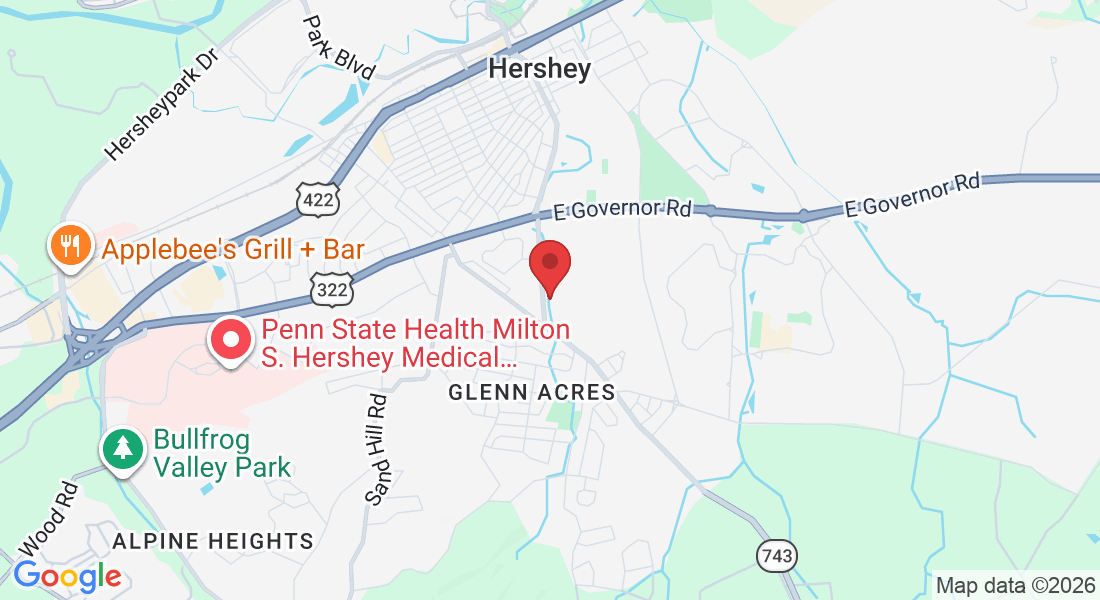
1249 Cocoa Avenue, Suite 190
Hershey, PA 17033
Phone: (717) 882-5888
OFFICE HOURS
By Appointment Only. Call for Availability
GET IN TOUCH
© Copyright 2023. Three Angels Family Practice & Wellness Center | Sitemap | Accessibility
Powered by Cima Growth Solutions
LOCATION
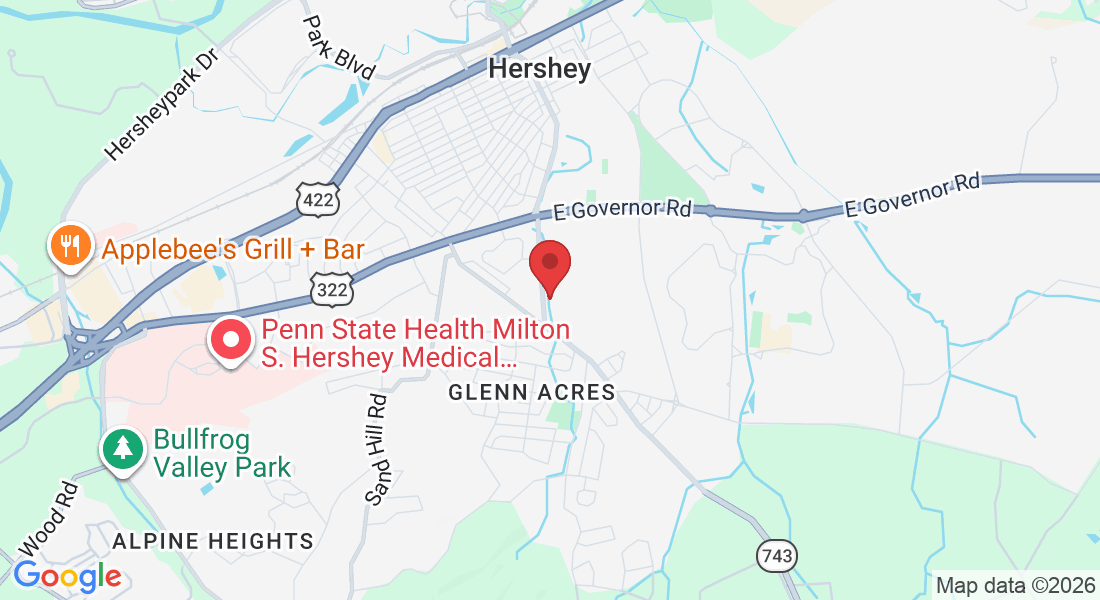
1249 Cocoa Avenue, Suite 190
Hershey, PA 17033
Phone: (717) 882-5888
OFFICE HOURS
By Appointment Only
Call (717) 882-5888
GET IN TOUCH
© Copyright 2023. Three Angels Family Practice & Wellness Center | Sitemap | Accessibility
Powered by Cima Growth Solutions